Every bride wants to look and feel beautiful on her wedding day. Choosing the right wedding dress is an important part of preparing for this special occasion, but finding the perfect design is only the beginning. Even a beautiful dress may need a few adjustments to fit comfortably and look its best. This is where wedding dress alterations become important. Professional alterations help create a flattering fit, improve comfort, and ensure that the dress matches the bride’s personal style.
Why the Right Bridal Fit Matters
A well-fitted wedding dress can make a significant difference in a bride’s overall appearance. When a dress fits properly, it highlights natural body shape and allows the bride to move with confidence. A dress that is too tight may feel uncomfortable, while one that is too loose may not provide the desired look.
Wedding dress alterations help address these concerns by adjusting the dress to the bride’s measurements. Whether the gown needs minor changes or more detailed adjustments, professional tailoring can improve its fit without changing the original design. The result is a dress that looks elegant and feels comfortable throughout the celebration.
How Wedding Dress Alterations Improve Comfort
Comfort is essential on a wedding day because brides often spend many hours wearing their gowns. From the ceremony to photographs and dancing, the dress should allow easy movement. Professional wedding dress alterations can help ensure that the gown does not restrict movement or cause discomfort.
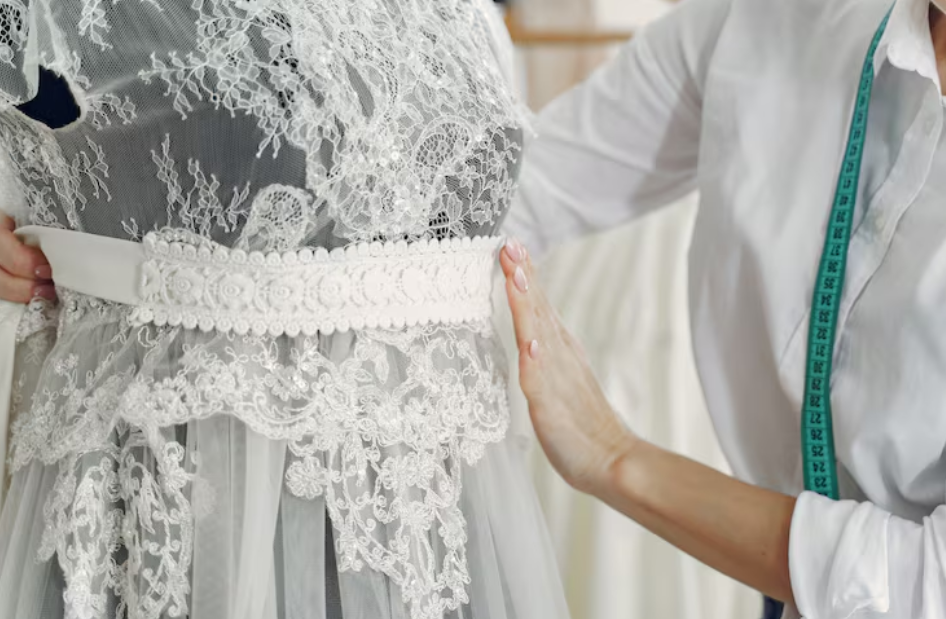
A tailor may adjust the waist, bodice, sleeves, or neckline to create a more comfortable fit. The straps can also be shortened or adjusted to provide better support. These small changes can make a noticeable difference, helping the bride enjoy every moment without constantly adjusting her dress.
Achieving the Perfect Length and Shape
The length and shape of a wedding dress play an important role in its overall appearance. A gown that is too long may drag on the floor, making walking difficult and increasing the risk of stepping on the fabric. On the other hand, a dress that is too short may affect its intended style.
Wedding dress alterations can adjust the hemline to suit the bride’s height and the shoes she plans to wear. Tailors can also reshape certain areas to create a balanced silhouette. These adjustments help the gown fall naturally and ensure that its design looks polished from every angle.
Personalizing Your Wedding Dress
Every bride has her own preferences when it comes to wedding fashion. Some prefer a simple, classic look, while others want delicate details that make their gown unique. Wedding dress alterations can help personalize a dress while preserving its original beauty.
Depending on the gown’s fabric and construction, a professional tailor may adjust sleeves, refine the neckline, add supportive features, or make small decorative changes. Discussing these preferences early helps ensure that the final result matches the bride’s expectations.
When to Schedule Wedding Dress Alterations
Planning ahead is important when preparing for bridal alterations. Starting the process several weeks or months before the wedding provides enough time for fittings and necessary adjustments. Brides should bring their wedding shoes and intended undergarments to fittings so the tailor can assess the dress accurately.
It is also helpful to choose an experienced professional who understands delicate fabrics, lace, and detailed gown construction. Clear communication about fit, comfort, and style can make the process smoother.
Conclusion
Wedding dress alterations are an essential step toward achieving the perfect bridal fit. They improve comfort, create a flattering shape, adjust the gown’s length, and allow for personal touches. With proper planning and professional tailoring, brides can feel confident that their wedding dress will suit their body, style, and special day.