
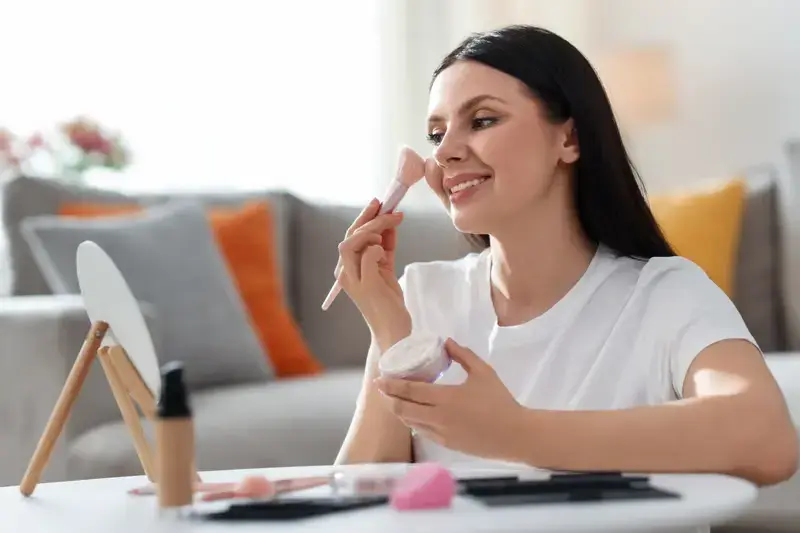
A daily beauty routine should make life easier, not turn every morning into a long list of tasks. Yet many people collect skincare products, makeup tools, and trending techniques without considering whether they genuinely need them. One day, the routine includes several serums, multiple creams, a primer, foundation, concealer, contour, and different finishing products. The next morning, there is barely enough time to get ready. This is where effective beauty hacks can make a real difference. The purpose is not to skip essential care or chase a flawless appearance. It is to find practical ways to achieve a fresh, comfortable look without wasting time or using products unnecessarily.
A simpler routine begins with understanding what makes the biggest difference. Healthy-looking skin needs gentle cleansing, suitable moisturizing, and daily sun protection. Makeup can then be used selectively to enhance features rather than cover every part of the face. When products have clear purposes, the routine becomes easier to remember and maintain. You also become less likely to purchase items that duplicate something already in your collection.
Another important point is that beauty routines should fit real lifestyles. Someone who works early shifts may need a five-minute routine, while another person may enjoy spending more time on makeup. Skin type, climate, age, personal preferences, and daily activities also influence product choices. The most useful beauty shortcuts are flexible. They save effort while respecting what your skin and lifestyle actually need.
Separating Essential Steps From Unnecessary Extras
The first step toward simplifying beauty care is identifying which steps are essential. For most people, a basic morning skincare routine can include gentle cleansing or rinsing, moisturizing when needed, and broad-spectrum sunscreen. Additional products may be useful for specific concerns, but they are not automatically necessary for everyone. Using several serums with overlapping ingredients can make the routine confusing and increase the chance of irritation.
The same principle applies to makeup. A full-coverage foundation, separate contour products, multiple eyeshadows, and several lip products may be enjoyable for special occasions, but they are not essential every day. A lightweight base, a little concealer where needed, groomed brows, mascara, and a comfortable lip color may create a polished appearance with fewer steps. Choose the products that make you feel confident instead of following a routine simply because it appears popular online.
Understanding Your Skin Before Choosing Products
A simple routine works best when it responds to your skin’s actual needs. Oily skin may benefit from lightweight, non-comedogenic moisturizers, while dry skin often feels more comfortable with richer creams. Sensitive skin may need fragrance-free products and fewer active ingredients. Combination skin can require different levels of moisture across the face. These differences matter because a product that works beautifully for one person may feel uncomfortable or unsuitable for another.
Pay attention to how your skin responds after cleansing, moisturizing, and wearing makeup. Tightness, persistent redness, itching, or frequent breakouts may indicate that a product or combination is not suitable. Do not assume that burning or peeling means a product is working. Introduce new products gradually, especially those containing exfoliating acids or retinoids. If irritation continues, stop the suspected product and seek professional advice when needed. Understanding your skin makes it easier to choose fewer products that deliver more useful results.
Skincare Shortcuts That Save Time Without Skipping Care
Skincare does not need to involve ten separate steps to be effective. A consistent routine with suitable products can support the skin barrier, improve comfort, and help protect against environmental damage. The best shortcuts remove unnecessary repetition rather than eliminating important care. This distinction is especially important with sunscreen, cleansing, and moisturizing.
One of the most practical effective beauty hacks is to create a small routine for ordinary mornings and keep additional treatments for the evenings or selected days. This reduces the pressure to apply every product twice daily. It also makes it easier to notice whether a product is helping. When the routine is manageable, consistency becomes more realistic.
Streamlining Cleansing, Moisturizing, and Sun Protection
A gentle cleanser removes excess oil, sweat, sunscreen, and daily buildup. In the morning, some people with dry or sensitive skin may find that rinsing with water is sufficient, while others prefer a mild cleanser. At night, cleansing is particularly important if you have worn makeup or sunscreen. A person using long-wear or water-resistant products may benefit from an appropriate first cleanse followed by a gentle face wash. The goal is to remove residue without leaving the skin feeling stripped.
Moisturizing helps support the skin barrier and reduce water loss. You do not need separate creams for every area of the face unless a specific concern requires them. A well-formulated moisturizer suited to your skin type may be enough for everyday use. Apply it while the skin is slightly damp if that feels comfortable. This can help spread the product evenly and support hydration.
Sun protection should remain a consistent part of the morning routine. Choose a broad-spectrum sunscreen with SPF 30 or higher and apply it generously to exposed skin. Remember areas such as the ears, neck, and hairline. Reapply according to the product instructions and exposure conditions, particularly after sweating, swimming, or extended time outdoors. A moisturizer or foundation containing SPF may offer some protection, but people often apply too little makeup to achieve the protection stated on the label. A dedicated sunscreen is a more dependable option.
Using Multi-Tasking Products With a Clear Purpose
Multi-purpose products can save time and reduce clutter. A tinted moisturizer with sunscreen, a cream blush that also works on the lips, or a moisturizer that combines hydration with a suitable barrier-supporting ingredient may simplify daily choices. However, a product should only replace another step when it performs that function adequately. A tinted moisturizer, for example, does not automatically remove the need for a separate sunscreen.
Look for products that suit your skin and fit naturally into your routine. A cream blush can create a coordinated look when applied lightly to the cheeks and lips, provided the formula is designed for both areas. A concealer with a comfortable finish may reduce the need for foundation across the entire face. A moisturizing lip color can combine a little color with everyday comfort.
Avoid buying multi-tasking products simply because they promise to do everything. A product with many claims may not perform every job equally well. Check its directions, ingredients, and intended use. Products designed for the lips should not automatically be applied around the eyes, and eye products should be used only as directed. The smartest shortcut is a product that genuinely replaces an unnecessary step without compromising safety or results.
Makeup Techniques That Create a Polished Look Quickly
A quick makeup routine is less about applying products faster and more about using them strategically. Many people spend extra time applying a full layer of foundation when only a few areas need coverage. Others use several products to create definition that could be achieved with one carefully chosen formula. A lighter approach can save time and often looks more natural in daylight.
Before applying makeup, allow skincare products to settle. If moisturizer or sunscreen is still wet, foundation may move around or become patchy. Give each layer a little time to absorb according to its texture. You do not need a long waiting period for every product, but applying makeup over slippery layers can make blending more difficult. Starting with comfortable, well-prepared skin often improves the final result.
Applying Lightweight Base Products Strategically
Instead of applying foundation across the entire face, begin with a small amount around areas where you want more even coverage. Blend outward using clean fingers, a brush, or a makeup sponge. This technique allows your natural skin to remain visible while reducing the amount of product needed. It can also prevent makeup from collecting around dry patches or fine lines.
Concealer can be used selectively under the eyes, around the nose, or on individual areas of discoloration. Choose a shade that suits the purpose. A skin-matching shade works well for blemishes, while a slightly brighter shade may be preferred under the eyes. Use a small amount and blend the edges carefully. Adding too much product often creates a heavier appearance and requires more time to correct.
If you prefer a longer-lasting base, prepare the skin with a suitable moisturizer and sunscreen before applying makeup. Use a primer only when it addresses a specific issue, such as excess shine or visible texture. Not everyone needs one. A light dusting of powder on areas that become oily can help control shine without setting the entire face heavily. This targeted approach can make makeup feel more comfortable throughout the day.
Making Eyes, Brows, and Lips Look Defined With Less Effort
Brows frame the face, but they do not always need a detailed shaping routine. A tinted brow gel can add definition and hold hairs in place with a few quick strokes. If your brows already have a strong shape, a clear gel may be enough. Avoid drawing thick, overly precise lines unless that is the look you prefer. The aim is to work with your natural brow shape rather than create a completely different one every morning.
For the eyes, mascara can provide definition without requiring a complicated eyeshadow look. Curling the lashes before applying mascara may help create a more lifted appearance. Use an eyelash curler gently and never pull or press aggressively. A neutral cream eyeshadow can add subtle color with minimal blending, while a soft brown pencil can create definition along the lash line. These small choices are often quicker than using several shades and brushes.
Lips are another easy way to make a simple makeup look feel complete. A tinted balm, moisturizing lipstick, or lip-and-cheek product can add color without a complicated application. Choose a shade that works with your everyday wardrobe and can be reapplied easily. Keeping one dependable lip product in your bag is often more practical than carrying several options. If you prefer a defined finish, apply a little lip liner and blend it inward before adding color.
Small Preparation Habits That Make Mornings Easier
Some of the most useful beauty shortcuts happen before the morning routine begins. Preparing a few items the night before can remove unnecessary decisions when time is limited. Keep your everyday skincare and makeup products together so you do not have to search through drawers. Place frequently used items where they are easy to reach, and move occasional products somewhere separate.
A simple evening routine can also make the next morning easier. Remove makeup and sunscreen before bed, cleanse gently, and apply a suitable moisturizer. If you use a treatment product, follow its recommended schedule rather than adding it automatically every night. Clean makeup tools regularly and replace products when they expire or change in smell, texture, or appearance. These habits reduce the chance of irritation and help keep your daily routine organized.
You can also prepare your makeup choices in advance. If you have an early meeting or an important event, decide on the products and look the night before. Keep a small everyday set separate from special-occasion makeup. This prevents you from spending time choosing between products you rarely use. A few minutes of preparation can make the morning feel calmer and more predictable.
Another helpful habit is to avoid changing several products at once. When you introduce multiple new skincare items together, it becomes difficult to identify what caused a reaction or improvement. Try one new product at a time and give your skin an appropriate period to adjust. This is particularly important with active ingredients. A routine that is easy to understand is also easier to maintain.
Beauty Tools and Product Choices That Reduce Daily Clutter
The right tools can simplify application, but a large collection is rarely necessary. A few dependable items often cover most everyday needs. A soft makeup brush, a clean sponge, an eyelash curler, and a suitable brow tool may be enough for a simple makeup routine. Choose tools that feel comfortable and are easy to clean. Complicated devices are not useful if they take more time to maintain than they save during application.
Product selection matters just as much. Instead of buying every new launch, identify the products you reach for regularly. Check whether two items serve almost the same purpose. If they do, keep the one that works better for your skin, preferences, and budget. This approach reduces clutter and makes it easier to use products before they expire.
Keeping Brushes, Sponges, and Tools Clean
Clean makeup tools support better application and help reduce the buildup of oil, makeup residue, and microorganisms. Dirty brushes can also become stiff, making blending less comfortable. Wash reusable brushes regularly with a suitable gentle cleanser, rinse thoroughly, and allow them to dry completely before using them again. Keep the brush heads positioned so water does not collect around the handle, as this may weaken the adhesive over time.
Makeup sponges need frequent cleaning because they can hold moisture and product residue. Follow the manufacturer’s care instructions and allow sponges to dry fully in a clean, ventilated place. Replace tools when they begin to deteriorate, develop persistent odors, or become difficult to clean. Avoid sharing eye and lip makeup tools, especially when someone has an infection or irritation.
Do not forget everyday items such as eyelash curlers, tweezers, and makeup bags. Wipe tools as appropriate and keep them away from damp bathroom surfaces. If a product or tool causes redness, swelling, or discomfort, stop using it until the cause is clear. Good hygiene may seem like an extra task, but it can prevent problems that take much longer to manage.
Organizing Products Around Your Actual Routine
A practical beauty space should reflect what you use, not how products look on display. Keep everyday essentials together and store occasional makeup separately. Organize items by purpose, such as skincare, base makeup, eye products, and lip products. This makes it easier to find what you need without opening several drawers.
Check product labels for expiration periods after opening. Some products include a small open-jar symbol showing how many months they are generally intended to remain usable after opening. Storage instructions also matter. Keep products away from excessive heat and direct sunlight, and do not leave them in a hot car. If a product changes noticeably in smell, color, or texture, stop using it even if the printed date has not passed.
A smaller collection can also help you understand your preferences. When you use products consistently, you learn which textures feel comfortable, which shades suit you, and which formulas work well together. This makes future purchases more thoughtful. Rather than following every trend, build a reliable collection around your actual needs.
FAQs
How can I make makeup last longer without using many products?
Prepare your skin with suitable moisturizer and sunscreen, allow the layers to settle, and apply makeup in thin amounts. Use primer only if it addresses a specific concern. A small amount of powder on areas that become oily can help control shine. Clean tools and compatible product textures also contribute to a smoother finish.
Are natural beauty hacks always safer for the skin?
No. Natural ingredients can still cause irritation or allergic reactions. Lemon juice, undiluted essential oils, and abrasive homemade scrubs may irritate the skin. Choose products based on their formulation, suitability, and directions rather than assuming that natural automatically means safe. Patch testing new products can help identify possible reactions.
How often should I change my skincare and makeup routine?
There is no need to change a routine frequently if it suits your skin and meets your needs. Adjust products when your skin changes, the weather shifts, or a specific concern develops. Replace expired or deteriorated products, and introduce new skincare items one at a time so you can understand how your skin responds.