The alarm rang late, your hair is flat, and there is a meeting in twenty minutes. You look in the mirror, sigh, and wonder how everyone else seems to have time for a twelve-step routine. Most of us have been there. The good news is that looking and feeling your best rarely depends on hours of effort. It depends on knowing a handful of smart moves that do a lot with a little. That is exactly what the best beauty hacks offer. They are not magic tricks. They are practical shortcuts, built on how skin, hair, and color actually work, that save time and quiet the morning panic. This guide explains what separates a useful hack from a risky trend, then walks through skincare, makeup, hair, safe DIY treatments, and routines you can keep. It also shares advice from professionals and answers common questions, so you can feel confident rather than confused. This article is general information, not medical advice.
The Morning You Ran Out of Time and Still Wanted to Glow
Beauty routines carry more emotion than we admit. For many people, a few minutes at the mirror is a small ritual of care, a moment that says you matter before the day begins. When time disappears, that ritual can feel like one more thing you failed to do. Add social media, where flawless faces and perfect shelves fill the feed, and it is easy to believe that everyone else has a secret.
Here is the secret, and it is not very secret. Most polished-looking people rely on a short list of habits and a few reliable products, used well. They protect their skin from the sun, keep things clean, and know two or three tricks for tired days. You do not need a drawer full of products or a professional kit. You need a handful of methods that suit your face, your hair, and your schedule. When you stop chasing perfection and start choosing shortcuts that truly work, mornings feel lighter and confidence comes easier.
What a Good Beauty Hack Really Is
A hack is a clever shortcut. In beauty, it means a technique or tip that gives better results with less time, effort, or money. The word is popular online, which also means it gets attached to ideas that are silly, ineffective, or even harmful. Learning to tell the difference protects your skin and your wallet.
Shortcuts That Work Versus Trends That Mislead
A good hack usually has three qualities. It is based on how the product or body actually behaves, it is low risk if it fails, and it works for many people. Using a damp sponge to blend foundation, applying moisturizer on slightly damp skin to lock in hydration, or tapping a little concealer where light needs to bounce are examples. They rely on basic principles, such as how water helps products spread or how light reflects.
Misleading trends often sound dramatic. They promise overnight transformation, use kitchen ingredients in ways they were never meant for, or tell you to ignore expert advice. If a tip involves pouring lemon juice on your face, using toothpaste on a pimple, or putting raw cinnamon on your lips, pause. Ask whether a dermatologist would recommend it, whether there is evidence, and what happens if it goes wrong. A quick test on a small patch of skin and a healthy dose of skepticism will save you from many problems.
The Skin, Hair, and Makeup Basics Behind Every Hack
Hacks work best when you understand the basics. Skin has a protective outer layer that keeps moisture in and irritants out. Gentle cleansing, moisturizing, and sun protection support this layer, while harsh scrubs and too many active ingredients can damage it. Hair is made of keratin, and its outer cuticle lies flat when healthy and lifts when damaged, which makes hair look dull and frizzy. Heat, rough brushing, and chemical treatments wear it down.
Makeup follows simple visual rules. Light areas appear to come forward and dark areas recede. Warm tones brighten, and cool tones calm. Placement matters more than quantity. A little color in the right spot can lift a tired face. Once you grasp these principles, you can adapt almost any hack, and you will know when a new trend is unlikely to deliver.
Skincare Shortcuts for Busy Days
The most valuable skincare routine is the one you actually do. Dermatologists and bodies such as the American Academy of Dermatology emphasize a simple foundation: cleanse, moisturize, and protect from the sun. In the morning, rinse or use a gentle cleanser, apply a lightweight moisturizer, and finish with a broad-spectrum sunscreen of SPF 30 or higher. At night, cleanse to remove sunscreen, makeup, and dirt, then moisturize. That alone can transform your skin over time.
Some shortcuts help you save minutes. Apply moisturizer while your skin is still slightly damp from cleansing, because this helps trap water. Use a moisturizer with SPF on days when you are truly rushed, though many experts note that you may need more than a thin layer to reach the labeled protection, so apply generously. Keep products where you will use them, such as sunscreen beside your toothbrush. Multi-use products, like a tinted moisturizer with SPF, reduce steps. A cold spoon or a cool compress, held on puffy eyes for a few minutes, can reduce morning swelling by narrowing blood vessels. Drinking water and sleeping enough support skin too, though they are not miracle cures.
Be careful with active ingredients such as retinoids, acids, and vitamin C. They can help with texture, tone, and fine lines, but layering many at once can cause redness and peeling. Introduce one new product at a time, and patch test before applying to your face. If you are pregnant or have a skin condition like eczema, rosacea, or severe acne, ask a healthcare professional before adding strong actives. Sunscreen is the most proven anti-aging step available, so protect your investment every day, even in winter and on cloudy days.
Makeup Tricks That Save Time and Look Natural
Makeup should feel like a tool, not a burden. A short, flexible routine gives you polish without a long wait.
Face, Eyes, and Lips in Five Minutes
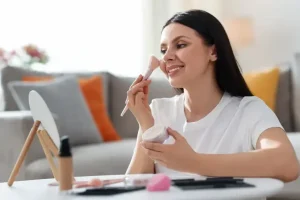
Start with a light base. Instead of a full layer of foundation, try a tinted moisturizer or apply foundation only where you need it, then blend outward. Dab concealer under the eyes and in the inner corners, along the sides of the nose, and on any spots. A cream blush tapped onto the cheeks with your fingers gives a fresh, healthy look in seconds, and the same product on the lips ties the face together. Use a single multi-purpose cream stick for cheeks and lips to save time.
For eyes, curl your lashes and add one coat of mascara, which opens the eyes more than almost any other step. Fill sparse brows lightly with short, hair-like strokes, and brush them upward. A neutral eyeshadow in one shade swept across the lid adds depth. On lips, a tinted balm or a creamy lipstick pressed on with your finger looks soft and natural. If you want to emphasize one feature, choose the eyes or the lips, not both, which keeps the look balanced and quick.
Making Makeup Last and Fixing Small Mistakes
Prep helps makeup stay. A hydrated face holds foundation better than a dry one, and a thin layer of primer can help in areas that get oily. Set makeup lightly with translucent powder where you shine, such as the forehead and nose, rather than covering the whole face. A setting spray can help it last through the day. Blotting papers lift oil without disturbing makeup.
Small mistakes happen, and many have simple fixes. If mascara smudges, wait for it to dry, then remove it with a clean cotton swab. If your foundation looks cakey, tap a little facial mist or moisturizer onto your fingertips and press it into the skin. If your lipstick bleeds, clean the edges with a cotton swab dipped in a little concealer. If you apply too much blush, press a clean sponge over it to soften the color. Keep a mini kit in your bag with a lip product, a small powder, and a cotton swab for quick touch-ups. Always clean your brushes and sponges regularly, since dirty tools can cause breakouts. Remove makeup before bed, because sleeping in it can clog pores and irritate eyes.
Hair Hacks for Bad Hair Days
Hair has a way of rebelling at the worst times. A few smart moves can help. Dry shampoo, sprayed at the roots and massaged in, absorbs oil and adds volume between washes, though it should not replace washing completely, as buildup can irritate the scalp. For flat hair, flip your head over and blow-dry the roots, or use a few loose velcro rollers while you finish your routine. For frizz, smooth a tiny amount of leave-in cream or oil over the ends, and avoid brushing dry curly hair, which can increase frizz.
If you are short on time, try a slick low bun, a braid, or a half-up style. A scarf, a clip, or a headband can turn messy hair into an intentional look. To protect your hair, use a heat protectant before styling, keep tools at moderate temperatures, and let hair air dry when you can. Wash with lukewarm water rather than very hot, since heat can dry the scalp. A silk or satin pillowcase may reduce friction, and loosely tying hair at night can prevent tangles. Detangle from the ends upward, using a wide-tooth comb. Regular trims help prevent split ends from traveling upward. For scalp issues like persistent flaking, itching, or hair loss, see a dermatologist rather than guessing with home remedies.
DIY Treatments: What Is Safe and What to Skip
Homemade treatments can be fun and economical, but safe use matters. Gentle options include a honey mask for a short time, since honey is a natural humectant and has mild antibacterial properties, though some people are allergic. Plain yogurt, oatmeal, or aloe vera gel can soothe dry or irritated skin, and cool cucumber slices refresh tired eyes. A sugar and olive oil scrub can soften rough areas of the body, such as elbows and heels, but should be used gently and not on the face. For hair, a warm coconut or olive oil treatment before shampooing can add softness, though it may not suit very fine or oily hair.
Always patch test first. Apply a small amount on the inner arm, wait twenty-four hours, and watch for redness, itching, or swelling. Use fresh ingredients, clean hands and containers, and do not store mixtures for long, because bacteria can grow. Skip risky ideas. Lemon juice and other acidic ingredients can burn skin and cause lasting dark marks, especially in sun. Baking soda is too alkaline for the face and can disrupt skin balance. Toothpaste can irritate, undiluted essential oils can cause burns and allergic reactions, and abrasive scrubs with crushed shells or large grains can create tiny tears. Never apply DIY treatments to broken skin or an active infection. DIY is a supplement, not a replacement, for proven skincare with sunscreen, gentle cleansing, and moisturizer.
Nails, Body Care, and Small Daily Habits
Little habits carry a lot of weight. For nails, keep them clean, trimmed, and moisturized. Push back cuticles gently after a shower rather than cutting them, because cuticles protect against infection. A clear coat or neutral polish hides chips and looks tidy with little effort. File in one direction to reduce splitting. If you use gel or acrylic nails, give your nails breaks, and have them removed properly instead of peeling them off.
For body care, apply moisturizer right after showering while skin is damp, and use lukewarm water, since very hot showers strip natural oils. Exfoliate once or twice a week at most. Dry brushing or a gentle scrub helps smooth rough patches, but avoid irritated skin. Keep lip balm with SPF in your bag and hands protected with cream, especially in cold weather. Do not forget the neck, chest, and backs of the hands when applying sunscreen, since they show age too. Posture, hydration, movement, and sleep influence how you look and feel, and these habits cost nothing. Even a short walk, a stretch, or a glass of water can lift your mood and your complexion. Treat self-care as a daily kindness, not a chore.
Building a Time-Saving Routine That Fits Your Life
A routine works when it matches your real life. Start by choosing a goal. Maybe you want brighter skin, quick mornings, or a polished look for work. Then build a short plan with only the steps that support that goal. A simple morning might take five minutes: cleanse, moisturize, sunscreen, mascara, tinted balm. An evening routine might take three: cleanse, moisturize, and any treatment product you use.
Prepare the night before. Lay out your items, charge your tools, and choose your outfit, so your morning flows. Organize products in a small tray or basket, and keep only what you actually use. Declutter old items and check expiry symbols, since mascara is generally recommended to be replaced every three months and other products have shelf lives too. Batch tasks when possible. Do a face mask while folding laundry, or style hair while coffee brews. Keep a travel kit ready for last-minute trips. Review your routine every few months and adjust for season, age, stress, and budget. Consistency matters more than variety, and a smaller routine done daily beats a long one done rarely.
Hacks to Avoid and When to See a Professional
Social media spreads advice quickly, but not all of it is safe. Be wary of hacks involving sharp tools, such as dermarolling at home with deep needles, which can cause infection and scarring. Avoid bleaching or dyeing eyebrows and lashes without professional training, because the eyes are delicate. Do not use super glue on skin or nails, mix chemicals, or apply products that are not intended for your face. Be careful with fake or unregulated products, especially those bought from unknown sellers, because they may contain harmful ingredients. Check ingredient lists, and look for products from reputable brands.
Seek professional help when something is wrong. See a dermatologist for persistent acne, painful cysts, sudden rashes, moles that change in size or color, severe dryness, or hair loss. Allergic reactions with swelling of the lips, face, or difficulty breathing require emergency care. If a product causes burning, stinging, or blistering, rinse with cool water, stop using it, and get advice. Professionals can also help with treatments such as chemical peels, laser therapy, and prescription medications, which should only be done by trained people. Beauty should not hurt, and taking care of your health always comes first.
Advice From Dermatologists and Makeup Artists
People who work in skin and beauty tend to repeat the same wisdom. First, protect your skin from the sun every day. It is the most effective habit for long-term skin health. Second, keep your routine simple and consistent. Many dermatologists say that three well-chosen steps beat ten random ones. Third, introduce new products slowly, one at a time, so you can identify what helps or irritates.
Fourth, makeup artists recommend good lighting. Applying makeup near natural light shows how it really looks. Fifth, they suggest investing in a few quality tools, such as a good brush, a sponge, and a lash curler, rather than a large collection. Sixth, they advise less product than you think. Build coverage in thin layers, and blend well. Seventh, they remind us that skin is not meant to look poreless. Texture is natural, and trying to erase it often looks heavy. Eighth, hair stylists suggest regular trims and gentle handling. Ninth, everyone agrees on hygiene. Wash your hands, clean your tools, and avoid sharing makeup. And finally, many professionals say that confidence is the best accessory. When you feel comfortable, it shows, and no hack replaces that.
Final Thoughts
Beauty is not a race, and you do not need a hundred tricks to feel good in your own skin. A handful of reliable habits, a few smart shortcuts, and a little kindness toward yourself go a long way. Protect your skin, keep things simple, test new ideas carefully, and ask for help when something feels off. Tomorrow morning, when the clock is ticking and the mirror feels unforgiving, take a breath, reach for your small, trusted routine, and let it carry you out the door looking like yourself, only a little brighter.